Over the years language has shifted and become more casual. Through this shift, one wonders how to balance their words between casual and formal communication in the personal and professional setting. According to John McWhorter in The New York Times, “Yes, sophistication – even in the likes of, well, ‘like,’ used so prolifically by people under a certain age. We associate it with ingrained hesitation, a fear of venturing a definite statement. Yet the hesitation can be seen less as a matter of confidence than one of consideration. ‘Like’ often functions to acknowledge objection while underlining one’s own point”. (New York Times, Like, Degrading the Language? No Way, 2014) Through this understanding, we can see how certain words are changing the way you and I communicate.
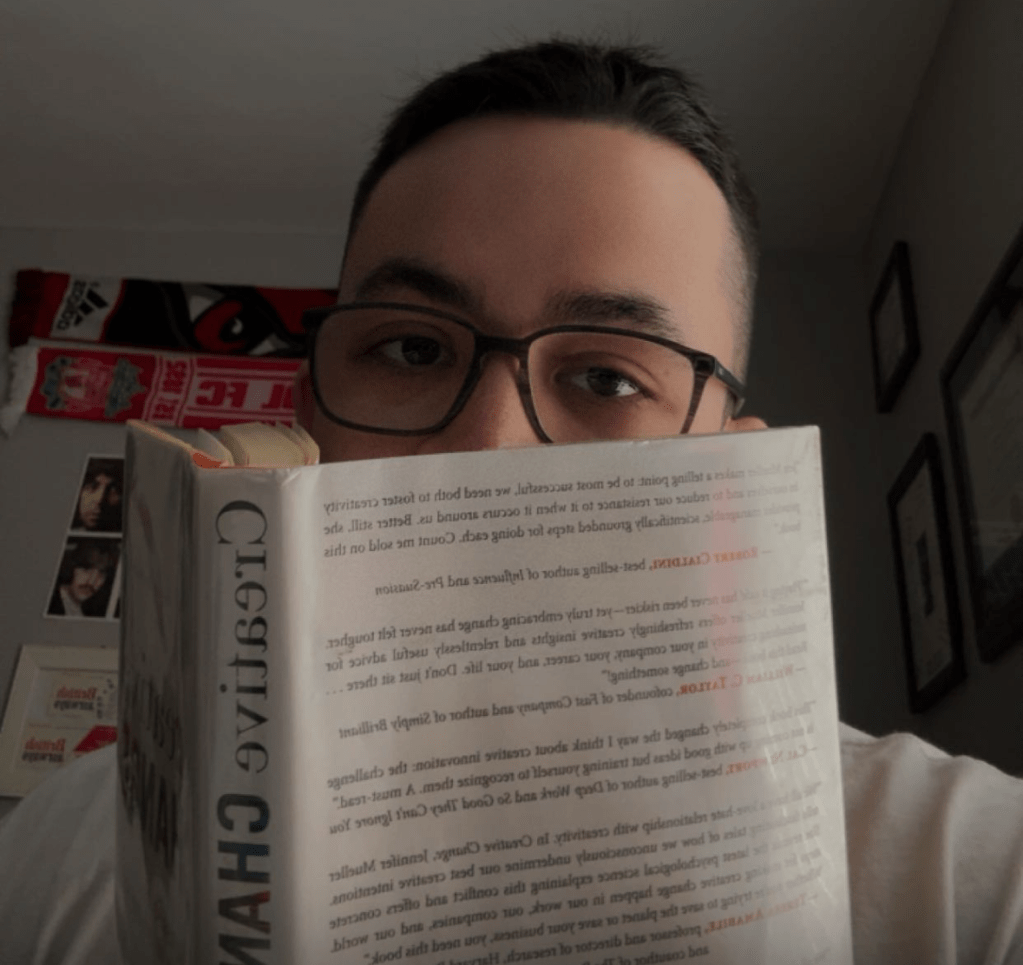
In a class that I took during my undergraduate years, I was informed by the professor of the word ‘like’ being one that is not needed to express the message I am trying to convey. Although this has been challenging, I feel like the words we use have become less important than the messages we are saying. I do believe there is significance in the manner in which we use words though. I do not think that it is essential to dive into which words to use, but rather why we do. I feel that there is a correlation between the words we use and trying to get our point across sooner.
This has been heard in songs, the way we communicate and in the way we convey messages through voice and written. The Shift Toward Casual Communication Though society has shifted towards a more casual conversation, it has not taken away from the messages we convey. I do, however, think it has impacted how society has grown. By using fewer words we are not critically thinking about the mannerism we are trying to convey to others, nor the message we are trying to express. With the use of profanity during certain times and in songs, I do not think we need to express ourselves that way. One example of this is by Jack Harlow in his song ’Tranquility’, with the use of the f word, he paints a clear picture to the listener however he can still do this in other ways. According to John McWhorter in The New York Times, “The word beginning with F that refers to homosexual men and a four-letter word for a body part that can be used to refer to women are considered beyond the pale even in causal discourse, to an extent that would baffle a time traveler from as recently as 50 years ago”. (New York Times, Like, Degrading the Language? No Way, 2014), by understanding the meaning of the words we are using we can then pivot our train of thought to be more friendly to the masses.
This is especially important when conveying a message during a meeting. One individual who is known for his profanity at times is Gary Vaynerchuk, for myself I believe the words we use define us and in that same manner we need to understand how to express ourselves more clearly. While using profanity can be negatively looked at, some individuals do not choose to partake in this style of communication. One artist who has done so is Will Smith. In an article from Business Insider, Will Smith says he ‘hated’ being called ‘soft’ in the rap industry because he didn’t curse in his songs, according to the article, “In his Letterman interview and his 2021 self-titled memoir, the ‘King Richard’ actor said that the reason why he didn’t curse was because of his grandma”. (Will Smith says he ‘hated’ being called ‘soft’ in the rap industry because he didn’t curse in his songs). By understanding ourselves, and how we speak, we can grow as individuals and not rely on the foul language others use or the added words. By having a strong connection to those who are older we can learn and grow from their style of speech. I feel as though we as Generation Z have understood technology but lack an understanding of how to be effective in our communication. I have seen how the older generation speaks and it is profound compared to my friends and peers.
My grandfather is a key reminder to me of how his generation speaks. He has worked his way up through the automotive industry and has worked with high celebrities who were pro basketball players, and mainstream artists of the 80s through these experiences he has shared with me the tips and traits he has learned such as not using ‘like’ or ‘um’, which are used a lot today. By removing these two words from our vocabulary we can become more effective in our communication. Finding the Balance Between Formality & Casualness Overall language needs to be addressed and spoken about, I view how we communicate now as poor. Although we can get our point across more swiftly, it leaves out our ability to do so in a more professional manner. I believe language is an art form, and although we do not currently treat it as such, we are reminded by the older generations of how much this is true. Which is why I believe formal writing is important. This is needed for applying for jobs, seeking acceptance into higher education institutes, and conveying our message to others. As one may note, formal writing provides the reader with clarity and keeps the writer looking trustworthy while maintaining professionalism and authority. In the Green Technical Systems letter, one can effectively see the writer has been able to get their point across using bullet points. While writing effectively is key it can be done through bullet points.
As bullet points ensure the right words are used and no extra words are added. For myself, writing professionally will be important in the future. It will allow me to convey my message and keep my wording concise to the tone in which I say it. Through the use of the right words, I can effectively write, speak, and effectively express my message. While technology is useful, I think it has shifted the way we express ourselves. In emails, I have seen a decrease in professionalism and although I try my best to ensure I maintain a proper level of authority in my writing I sometimes fall short of this. This means I sometimes rewrite my messages, bullet point them or start over if and when I feel like I have not expressed myself in the right manner.
References:
Assumption University. (n.d.). Formal Business Letter Formatting Example.
Behnke, M. (2022, May 24). Will Smith says he ‘hated’ being called ‘soft’ in the rap industry because he didn’t curse in his songs. Business Insider.
Harlow, J. (n.d.). Tranquility [Lyrics].
Genius. McWhorter, J. (2014, April 6). Like, degrading the language? No way. The New York Times.

 Joseph Letizio
Leave a comment